

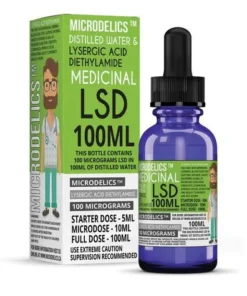
BUY LSD VIAL LIQUID
LSD Liquid (Vial): What It Is, How It Works, and Current Research
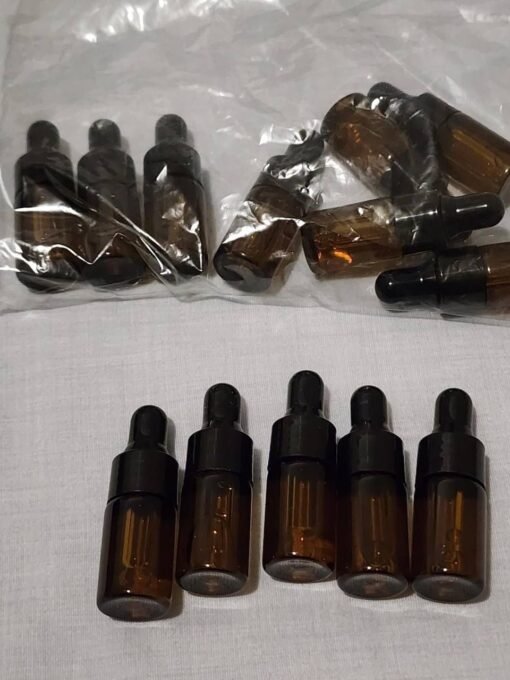
LSD liquid, sometimes referred to as an LSD vial, is one of several forms in which lysergic acid diethylamide (LSD) has historically been prepared for scientific research and other contexts. In this form, LSD is dissolved in a liquid solution and stored in a small vial. Because the compound is highly potent, only laboratory analysis can accurately determine the identity, concentration, or purity of any liquid claimed to contain LSD.
What Is LSD Vial Liquid?
Lysergic acid diethylamide (LSD) is a synthetic psychedelic compound first synthesized in 1938. It primarily interacts with serotonin receptors in the brain, especially the 5-HT2A receptor, which plays a role in perception, mood, and cognition. Researchers have studied LSD for decades to better understand its effects on the brain and its potential therapeutic applications.
Scientific Research
Modern clinical research has renewed interest in LSD as part of psychedelic-assisted psychotherapy. Investigators are studying whether carefully supervised administration may benefit some people with conditions such as treatment-resistant depression, anxiety associated with serious illness, and certain substance use disorders. These studies are conducted in regulated clinical settings with trained healthcare professionals and psychological support. Although early findings are promising in some areas, LSD remains an investigational treatment in many countries.
Potential Effects
LSD can temporarily alter perception, emotions, thinking, and sensory experiences. The intensity and duration of its effects vary depending on numerous factors, including individual physiology and the amount administered. Scientific studies have shown that responses can differ considerably between participants, making the experience difficult to predict.
Risks and Safety
Like other psychedelic substances, LSD is associated with potential risks. Possible adverse effects include anxiety, panic, confusion, impaired judgment, increased heart rate, and distressing psychological experiences. Individuals with certain psychiatric conditions or those taking medications that affect serotonin may face additional risks. Researchers emphasize that these substances should only be studied or administered within appropriate legal and clinical frameworks.
| Quantity | 16ml, 32ml |
|---|
Only logged in customers who have purchased this product may leave a review.
Related products
Buy DMT Online

Buy LSD Online

Buy LSD Online
Buy DMT Online
Buy LSD Online

Psychedelic Drugs

Buy DMT Online

Buy LSD Online
Reviews
There are no reviews yet.